
Cataract
Definition of cataract, who and when it occurs, symptoms, types and surgical process
What is Cataract and Who Does it Affect?
Cataract occurs as a result of the eye lens losing its transparency and usually develops with age. However, factors such as diabetes, eye trauma, and long-term corticosteroid use can cause cataracts to appear at earlier ages as well.
What are the Symptoms of Cataract?
The most common symptoms of cataract include blurred vision, sensitivity to light, colors appearing faded or yellowish, and decreased night vision. Progressive cataracts can make daily activities such as reading or driving difficult.
Types of Cataract
Cataracts can have different types. For example, nuclear cataract usually occurs with age and forms in the center of the lens. Cortical cataract begins as wedge-shaped opacities at the edges of the lens. Posterior subcapsular cataract can usually be seen in younger patients and diabetic individuals and forms in the back part of the lens.
Cataract in Young Patients
Although cataracts are mostly seen in advanced ages, they can also occur in young patients due to various reasons. Congenital cataracts, metabolic diseases, or eye injuries can cause cataract development at a young age.
How is Cataract Surgery Performed?
Anesthesia: First, local anesthetic drops are applied to your eye, so you do not feel any pain during the procedure.
Removal of Cataract: The lens that has lost its transparency, i.e., the cataract, is broken down and removed using ultrasound waves.
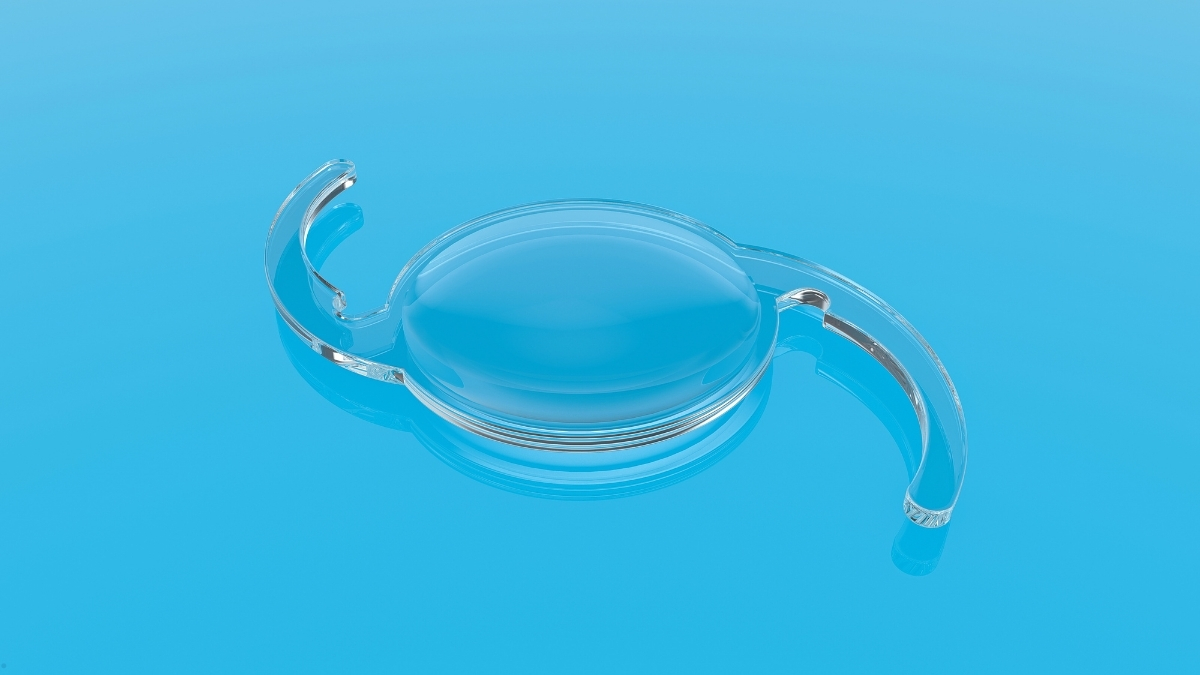
Placement of Artificial Lens: An artificial lens suitable for the patient is placed in place of the removed cataractous lens. These lenses can be monofocal, Trifocal, or EDOF lenses.
Procedure Duration and Discharge: The entire procedure usually takes 10-15 minutes and the patient can return home the same day.
Follow-ups and Drop Use: The drops given by the doctor after surgery are used regularly and the scheduled follow-up appointments are not missed.