
Stye (Chalazion)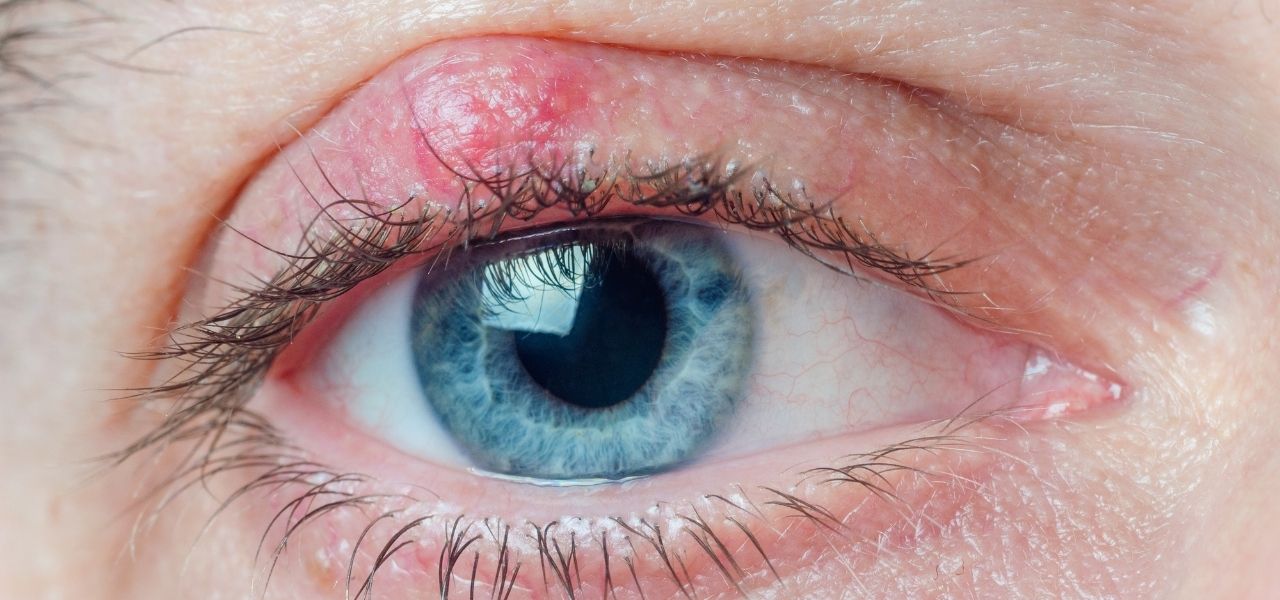
- General Information:
A stye is a small, painful infection that forms on the eyelid and usually occurs due to blockage of an oil gland. - Treatment Methods:
- Applying warm compresses is usually sufficient.
- If necessary, antibiotic drops or ointments can be used with doctor’s recommendation.
- Recovery Process:
- A stye usually resolves on its own within a few days.
- If warm compresses are applied several times a day, recovery accelerates.
- It is important to pay attention to eye hygiene during this process.
- Advantages:
- Can be treated with simple and home-applicable methods.
- Additional medical intervention is usually not needed.
- Limitations:
- Rarely, it can become chronic or recur, in which case surgical intervention may be needed.
Conjunctivitis 
- General Information:
Conjunctivitis is inflammation of the membrane covering the white part of the eye. It can be bacterial, viral, or allergic. - Treatment Methods:
- Antibiotic drops are used in bacterial conjunctivitis.
- Viral conjunctivitis usually resolves on its own; cold compresses are recommended for symptomatic relief.
- Antihistamine drops can be used in allergic conjunctivitis.
- Recovery Process:
- Bacterial conjunctivitis resolves within a few days with treatment.
- Viral conjunctivitis can last a week or longer; patience is needed.
- Allergic conjunctivitis quickly improves when triggers are avoided and controlled with drops.
- Advantages:
- Treatments are usually simple and effective.
- In most cases, it heals without leaving a permanent problem.
- Limitations:
- Some types are quite contagious, so attention to hygiene is necessary.
- Allergic types can recur unless triggers are eliminated.